Consolidating, organizing and synthesizing existing research into references people use: academic literature reviews, and practical guides for the field.
Who we do this for
Policy-makers
Government ministries and departments
Land managers
NGOs
Research groups
Indigenous organizations and governments
You need to know what is already known about a question before a decision, a research program or a policy.
The evidence exists, spread across more studies than your team has time to read.
Field crews need to apply a method correctly, again and again, without a scientist on site.
A regulation, a compliance issue or a voluntary program calls for clear, defensible recommendations.
Our process
Seven steps, from the question to the page
Every synthesis follows the same path. The first two steps decide what the other five produce. Select a number to see what happens at that step.
Identify the objectivesWhat decision the synthesis has to serve.
Step 1 / 7Identify the objectives
We start with a conversation about the decision, policy or program the synthesis has to inform, and write down the questions it must answer.
You receiveA short scope with the guiding questions.
Define the target audienceWho reads it, and what they already know.
Step 2 / 7Define the target audience
Ministers, land managers, field crews or community members: their background and their time decide the length, tone and format of the final product.
You receiveA reader profile that guides every later choice.
Focus the knowledgeThe sources that matter, and the ones that don’t.
Step 3 / 7Focus the knowledge
We agree on where to look — peer-reviewed studies, government reports, grey literature — and on the criteria for keeping or leaving out a source.
You receiveA search plan you approve before the research starts.
In-depth researchReading, sorting and weighing the evidence.
Step 4 / 7In-depth research
We search, screen and read the sources, and record what each one says in a structured table, so every statement can be traced back.
You receiveA table of sources, shared as the work moves forward.
Develop key messagesWhat the evidence says, in a handful of statements.
Step 5 / 7Develop key messages
We group the findings by theme, weigh the strength of the evidence, and draft the few messages the reader has to remember.
You receiveDraft key messages for your review, before the full text.
Clear, concise textWritten for the reader who has to act on it.
Step 6 / 7Clear, concise text
We write for the reader defined in step 2: plain language, short sections, technical detail moved to appendices.
You receiveA full draft for your review and comments.
Custom illustrationsFigures drawn for these messages, in an easy-to-read document.
Step 7 / 7Custom illustrations
Our designers draw the figures and lay out the document so the key messages can be seen at a glance.
You receiveThe final document, ready to print and to share online.
Three products
One for each kind of reader
For decision-makers
Literature Review
A structured synthesis of existing research on a topic, organized by theme rather than as a list of summaries. It may involve a systematic search of peer-reviewed literature.
Choose it whenYou need to know “what do we already know about X” before a decision, a research program or a policy.
Purpose and format →
Purpose
A reliable overview of the current state of knowledge, without reading every study.
Typical format
A structured document, often 10 to 40 pages, with thematic sections, a summary table of sources and a section on management implications.
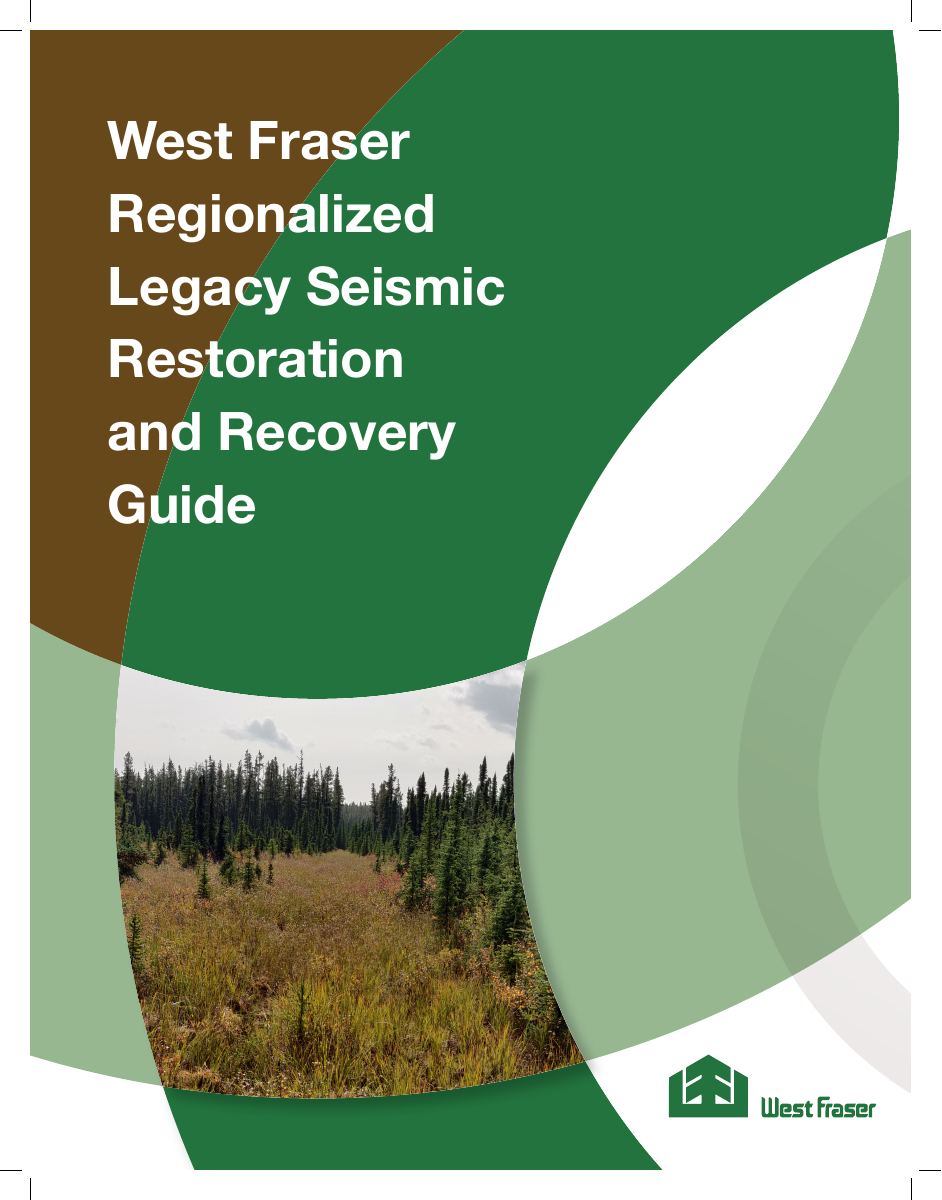
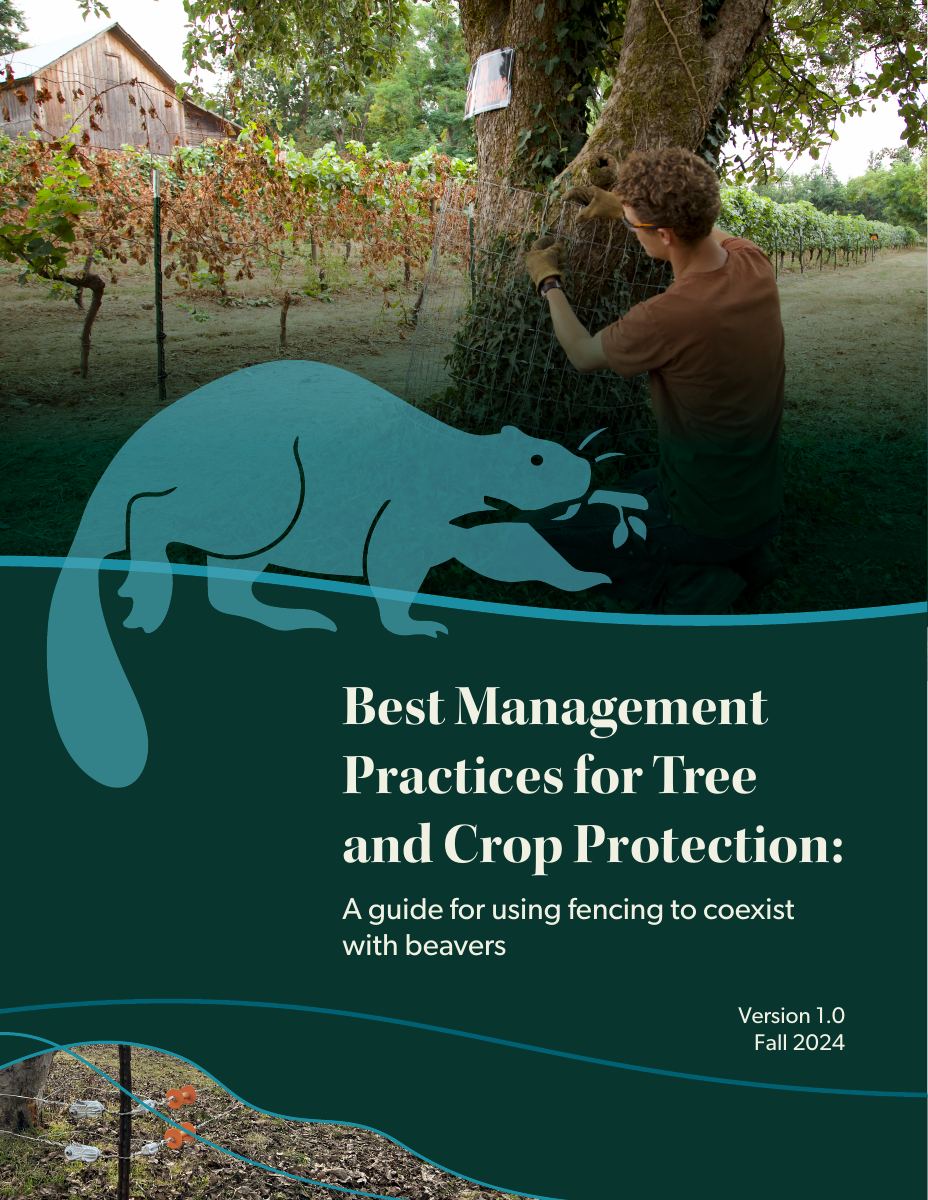
Concrete, proven practices to reach a specific objective — reduce an impact, protect a resource — based on research and field experience.
Choose it whenAn organization, a landowner or a practitioner needs evidence-based recommendations, whether for a regulation, a compliance issue or voluntary action.
Purpose and format →
Purpose
Translate science into actionable, defensible recommendations that guide practice and inform policy.
Typical format
Clearly organized recommendations, a scientific rationale for each, often technical appendices; tailored to industry, landowners, organizations or the public.