Fuse today
Over time our expertise and offerings have been expanded and refined. We currently offer five main services:
- Infographics & Science Illustration
- Workshops & Facilitation
- Strategic Advising
- Knowledge Synthesis
- Education & Science Outreach
Fuse Consulting
How we’ve grown into leaders in knowledge mobilization and conservation
Fuse is built on the belief that connecting research to practice is both possible and necessary
We want to see science change critical decisions! To achieve this, research needs to reach past academic journals and be embedded into our landscapes, schools, industries, and everyday lives.
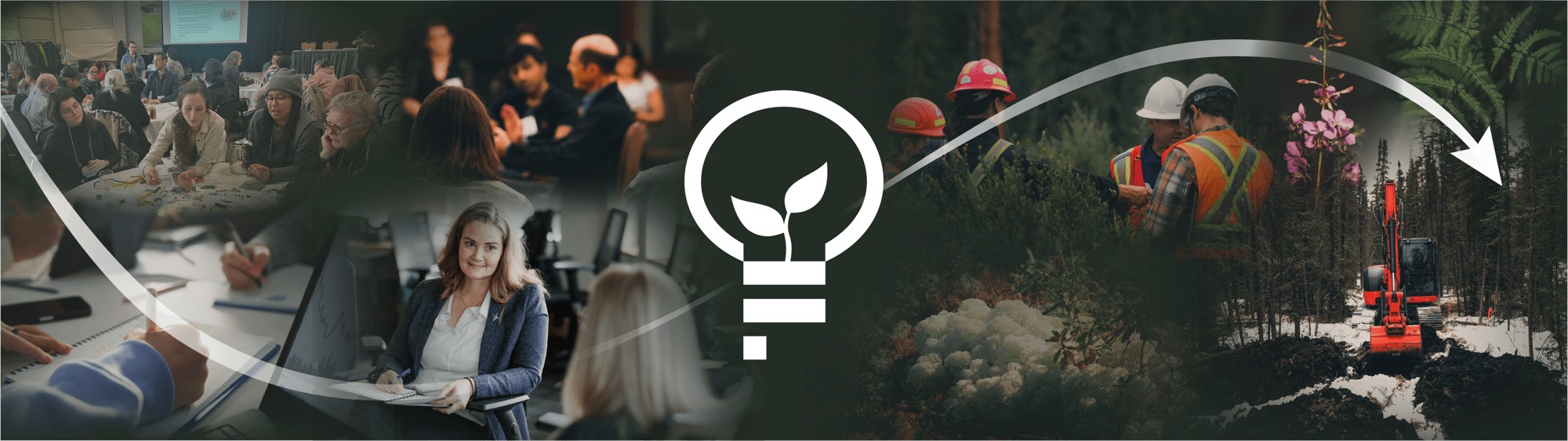
We exist in this space between knowledge producers and knowledge users. For over a decade, we’ve been using science communication, visual storytelling, and facilitation to turn research into real-world action.

Matthew Pyper realized that researchers produce knowledge that decision-makers rarely see or can’t use. His vision led him to join the Sustainable Forest Management Network, translating boreal forest research for government and industry practitioners across Canada. He then built a knowledge exchange program at the University of Alberta, synthesizing research into accessible formats. But the problem still needed a solution on a larger scale.
Most early work focused on sustainable development in the boreal forest. They produced a variety of written materials including briefing notes, knowledge syntheses, annual reports, and ecosystem-based management planning.
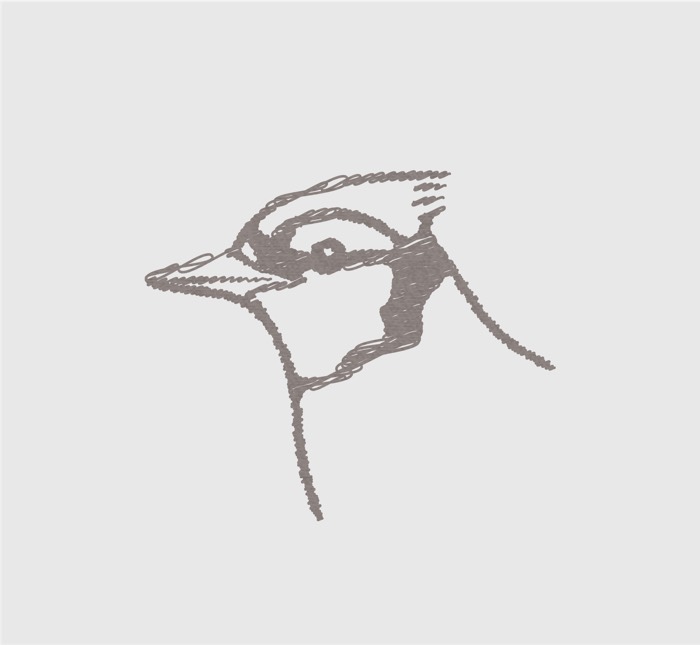
Ecologist Sonya Odsen joins Fuse. A doodle of a bird in a notebook sparks an idea. What if visuals weren’t just decoration, but the medium itself? Fuse begins exploring the fusion of science and art as a core communication strategy.
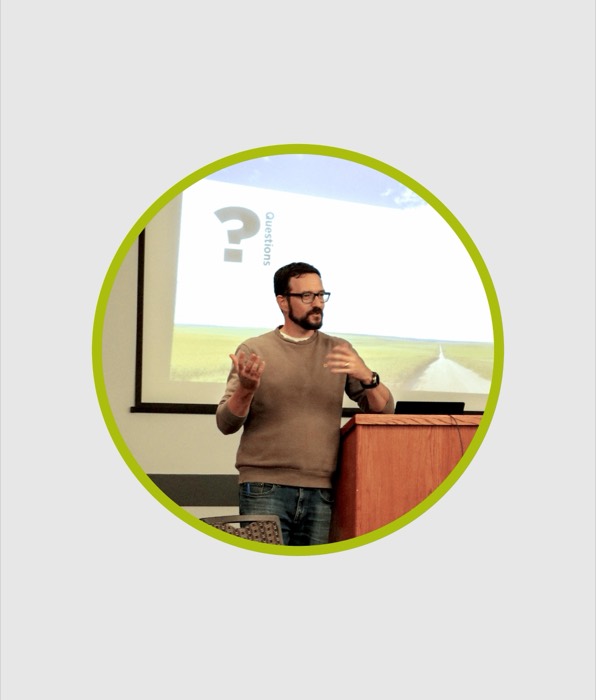
Gatherings are fundamental to establishing connections across sectors and translating research into action. In recognition of this, both virtual and in-person event facilitation and management became core offerings at Fuse.
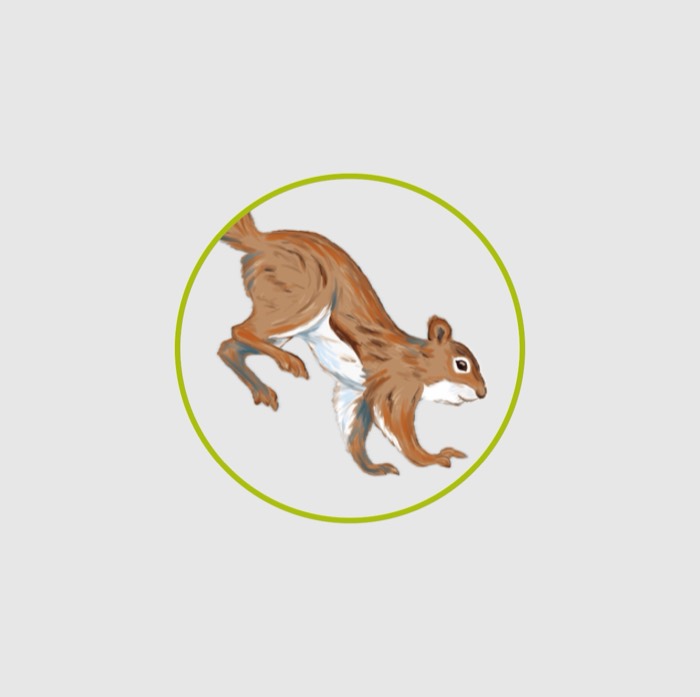
Kate Broadley joins the team, bringing deep expertise in infographics, data visualization, and custom illustrations. Fuse cements its reputation for science communication that’s as compelling to look at as it is credible.
Over time our expertise and offerings have been expanded and refined. We currently offer five main services:
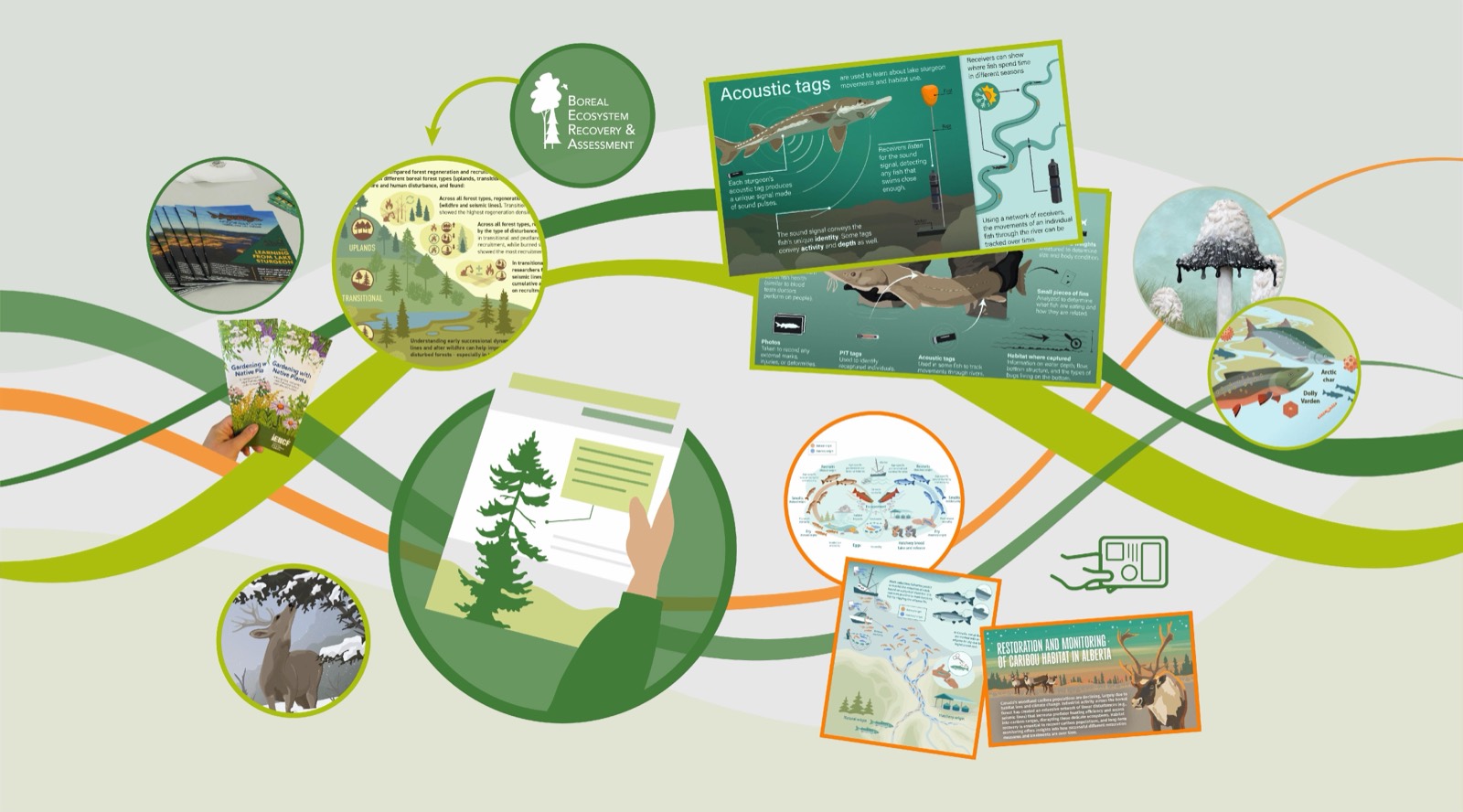
Our custom illustrations, infographics, and data visualizations make science stick.
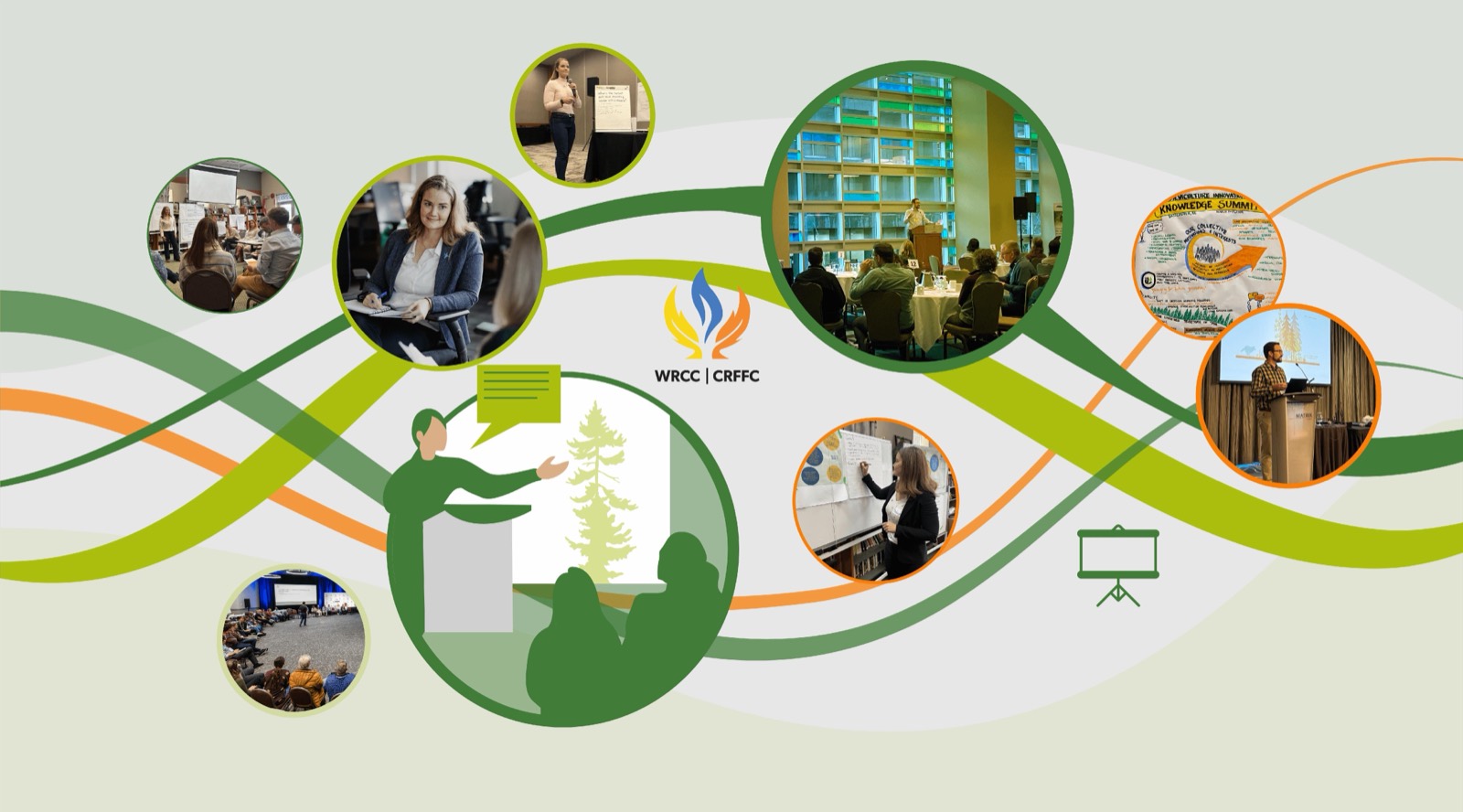
Gatherings that bridge industry, government, Indigenous knowledge keepers, and researchers.
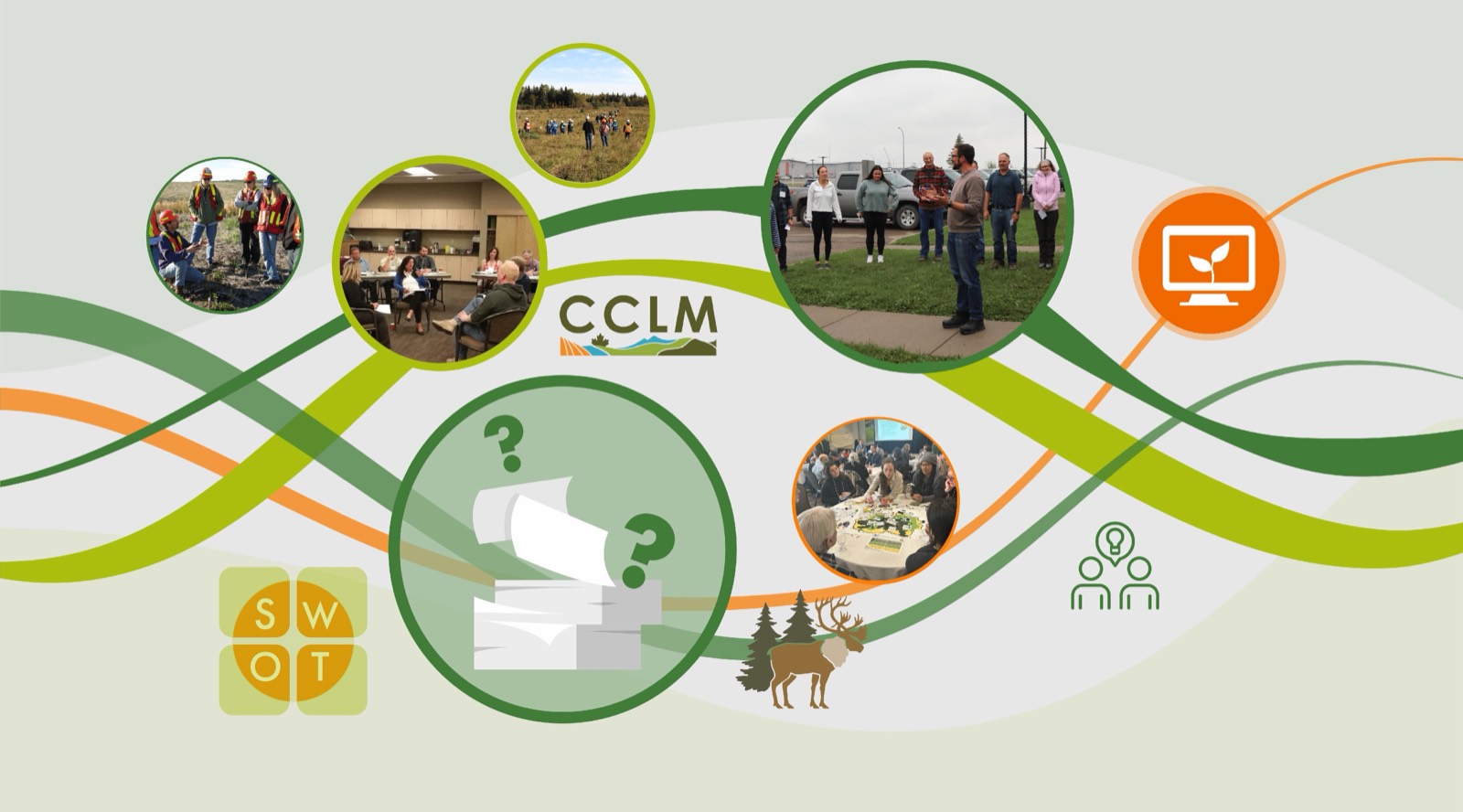
We tackle complex land management challenges with a balance of collaboration, policy, and best-practice research.
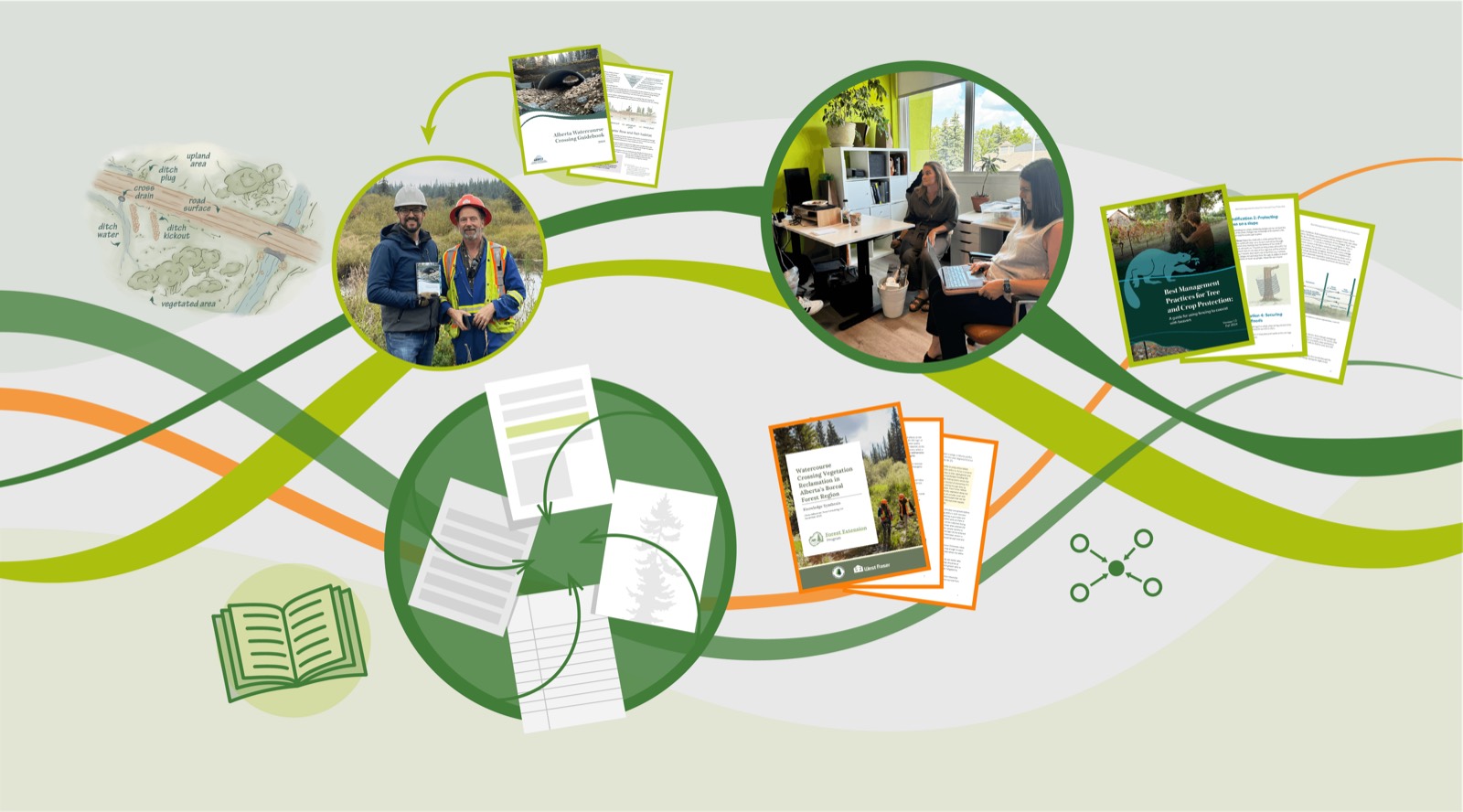
We turn complex research into briefing notes, reports, and summaries decision-makers can actually use.
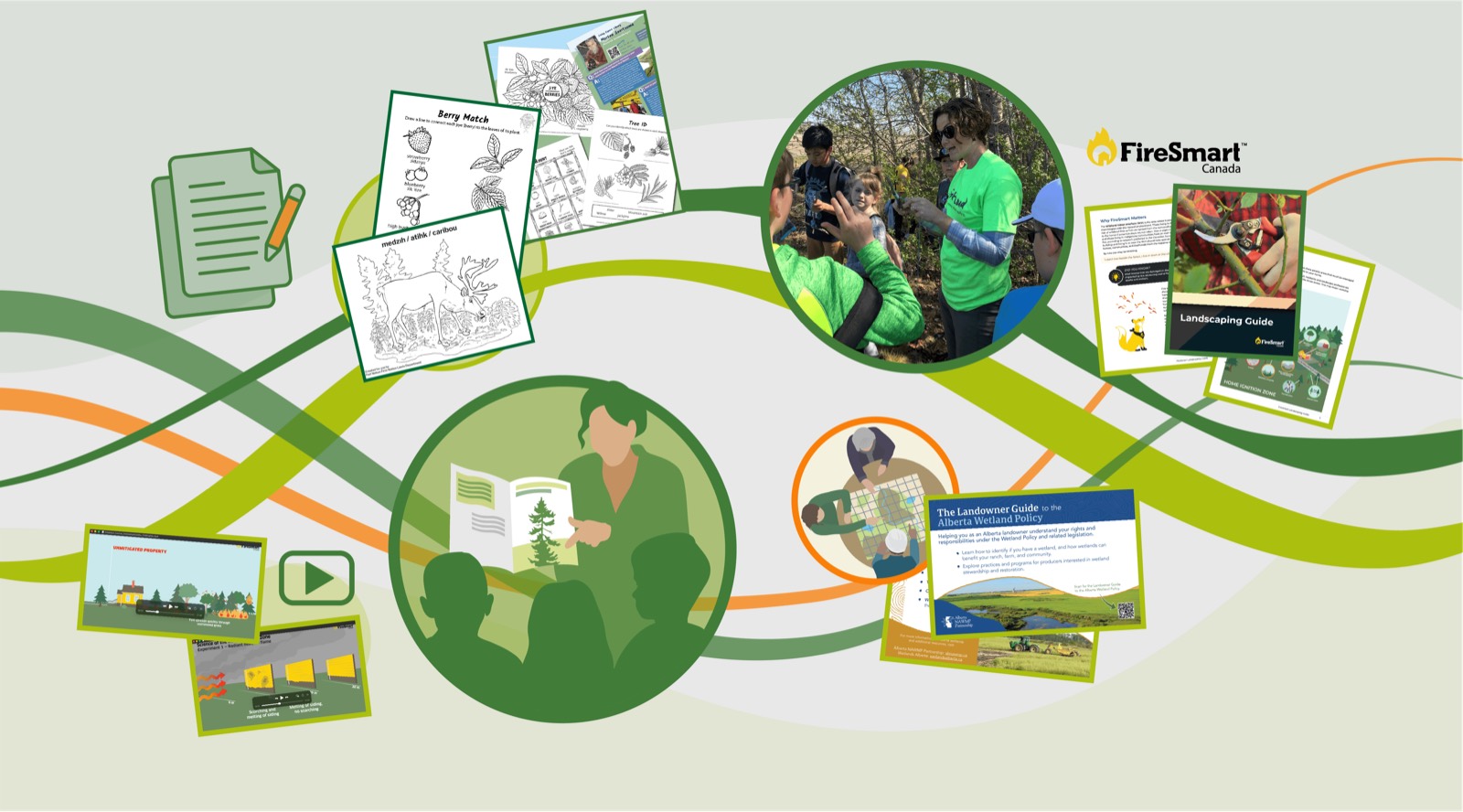
Curated resources transform complex ideas into community connections.
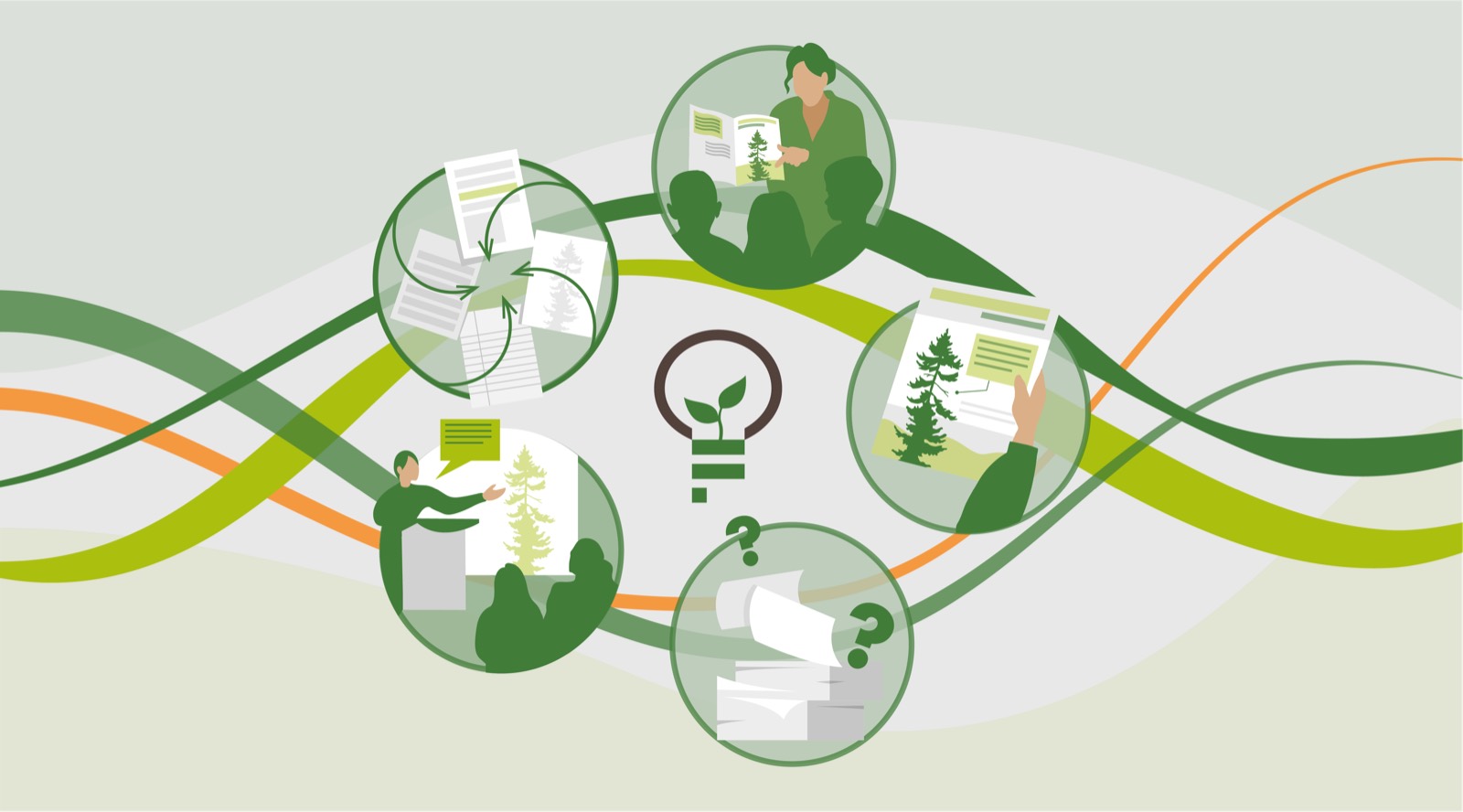
Good science communication is not a one-time lecture but involves a two-way dialogue that builds trust and sustains long-term relationships. To achieve this dialogue, we have learned to listen, communicate, and adapt.
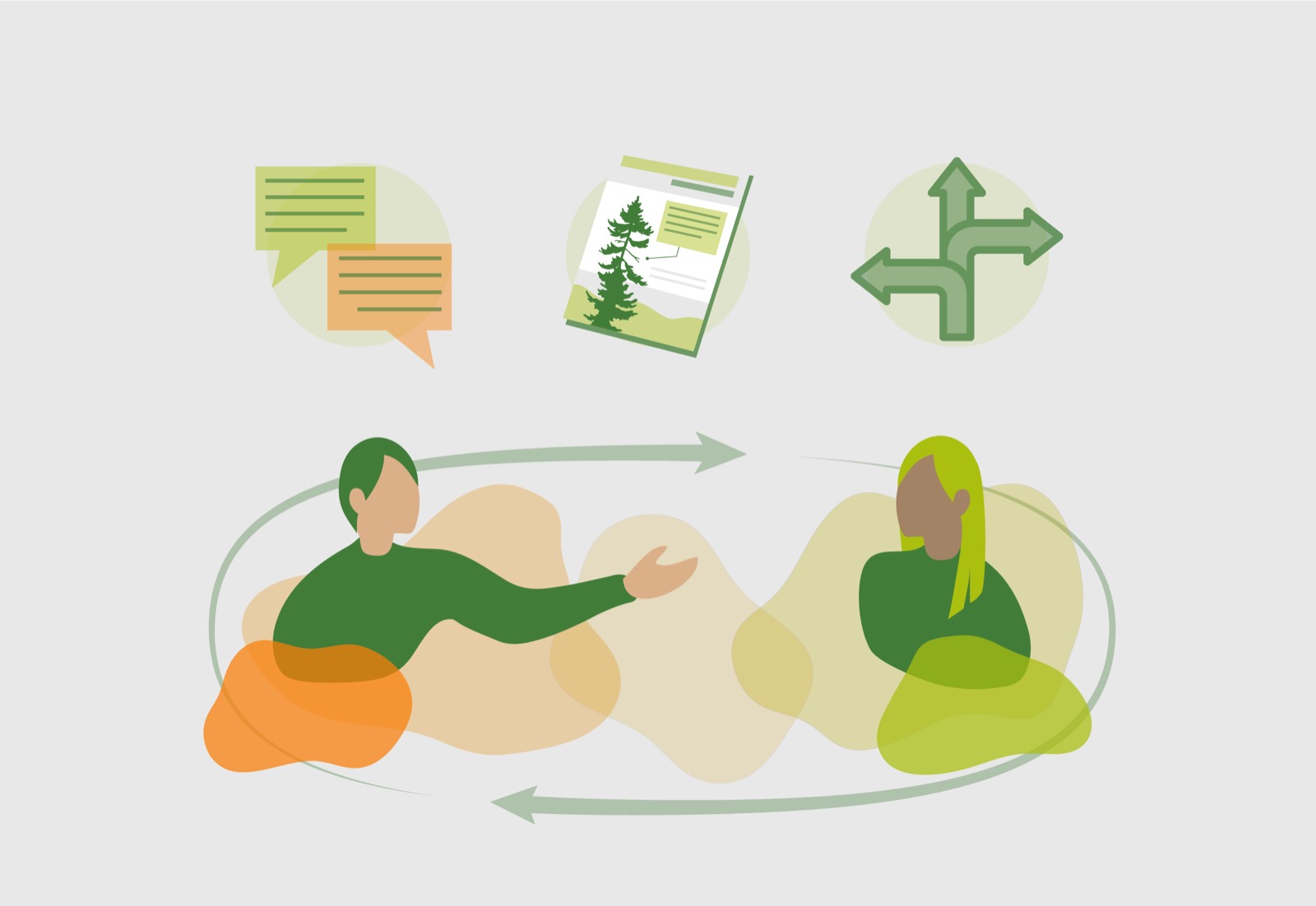
Understand the needs of the target audience and look from their perspective. Is the message relevant and useful?
Be concrete, concise, and credible. Do not overwhelm. Find the core of the message and present it in an accessible format.
What worked and what didn’t? Which problems still need to be solved? Look for ways to further build and improve relationships.
Hover over or tap a number to read each step.
Understand the needs of the target audience and look from their perspective. Is the message relevant and useful?
Be concrete, concise, and credible. Do not overwhelm. Find the core of the message and present it in an accessible format.
What worked and what didn’t? Which problems still need to be solved? Look for ways to further build and improve relationships.
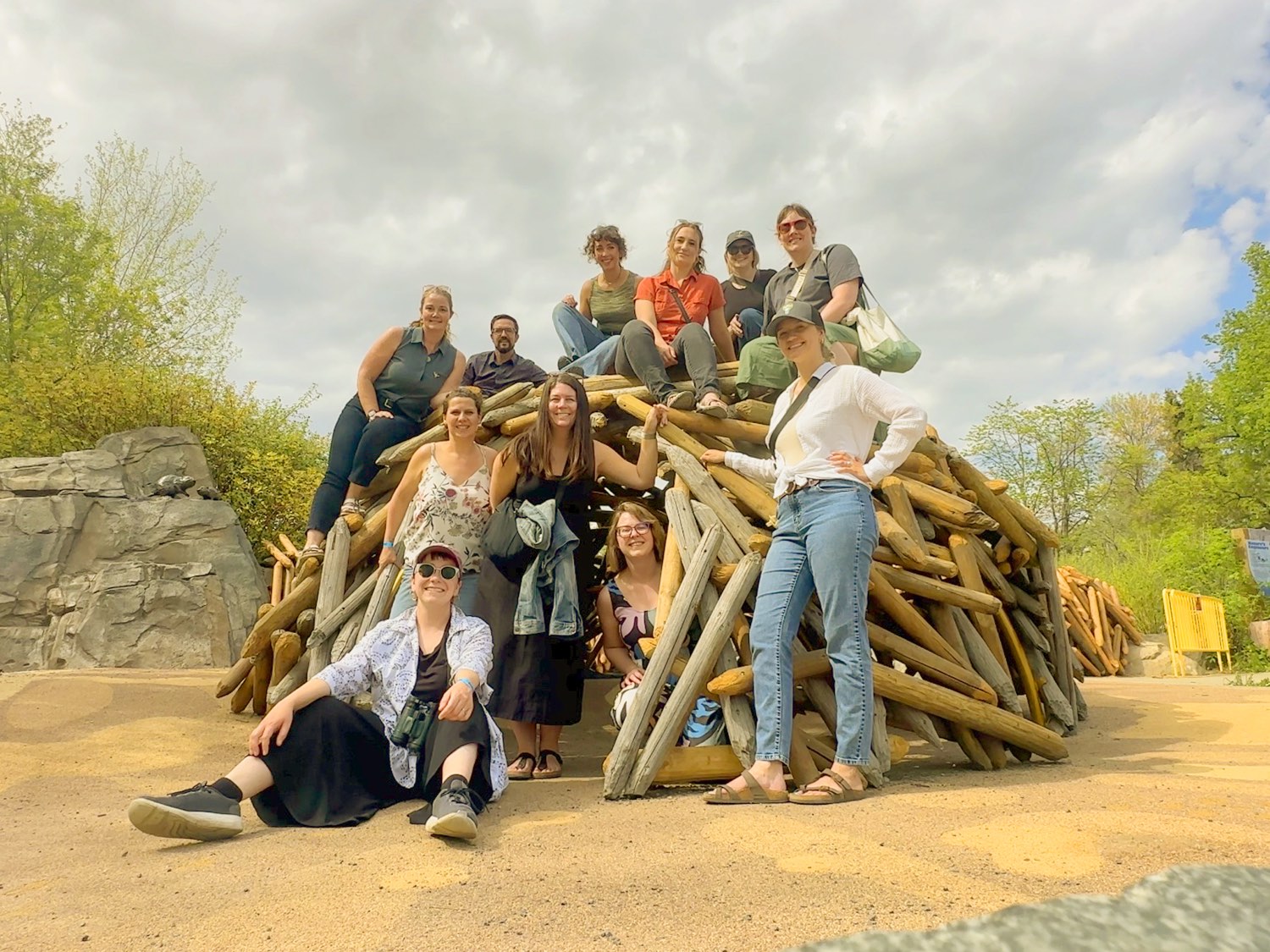









Hover over or tap a green dot to meet each person.